Hiking Through Zanzibar’s Soul: Where Trails Meet Art and Culture
You know what I didn’t expect in Zanzibar? Hidden trails that lead not just to scenic views, but to open-air art galleries, ancestral rhythms, and vibrant village life. Forget the beaches for a moment—this island’s true heartbeat pulses along its footpaths. I laced up my boots and discovered a side of Tanzania most travelers never see: where every hilltop reveals more than a view—it tells a story. This is hiking with soul, culture, and color at every turn.
Reimagining Zanzibar: Beyond Beaches to Cultural Hiking Trails
Zanzibar is often imagined as a postcard of powdery white sands and turquoise waters, where tourists lounge under palm trees and sail on dhow boats at sunset. While these coastal charms are real and breathtaking, they represent only one facet of an island rich in depth, history, and human spirit. Beyond the shoreline lies a quieter, more intimate Zanzibar—one that unfolds slowly beneath the rhythm of walking feet and rustling spice leaves. The inland trails of Zanzibar offer a different kind of journey, one not measured in elevation gain but in cultural connection.
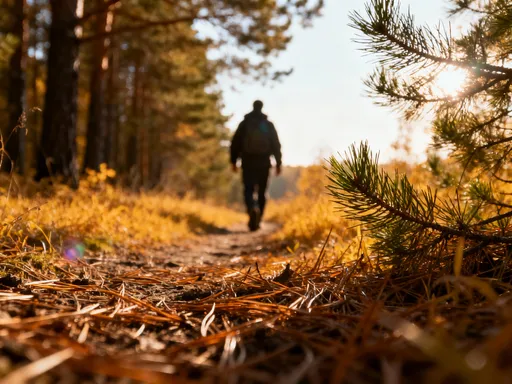
These are not alpine hikes or extreme treks. Instead, the island’s walking paths meander through fertile countryside, ancient forests, and coastal villages where life moves to the pace of tide and tradition. Hiking here means stepping into a living landscape where every path leads to interaction—whether it’s a farmer offering a taste of fresh mango, a grandmother weaving palm fronds under a shaded veranda, or a child waving from a dirt road. This form of slow travel allows visitors to witness the island’s heritage not as spectators, but as respectful participants.
The interior of Unguja, the main island of the Zanzibar archipelago, is a mosaic of green. Spice farms blanket the hills with clove, cinnamon, and vanilla plants, their fragrant leaves perfuming the air after a morning rain. Coconut groves sway in the coastal breeze, and patches of indigenous forest shelter rare wildlife. These natural settings are not separate from culture—they are woven into it. For generations, Zanzibari communities have lived in harmony with this land, cultivating its bounty and passing down knowledge through oral tradition. Walking through these areas is not just a physical activity; it is an immersion in a way of life that values sustainability, community, and storytelling.
What makes cultural hiking in Zanzibar unique is its accessibility. Unlike remote wilderness treks that require extensive preparation, many of these routes begin just a short drive from Stone Town or popular beach resorts. A thirty-minute transfer can take you from a luxury lodge to a dusty village path where chickens scatter and elders sit on woven mats sharing stories. This proximity allows even casual travelers to experience authenticity without sacrificing comfort or safety. It also means that tourism benefits can reach communities often excluded from the coastal economy, creating a more balanced and equitable distribution of resources.
The Jozani Forest Path: Nature, Culture, and the Red Colobus
One of the most accessible and rewarding introductions to Zanzibar’s inland trails is the Jozani Chwaka Bay National Park, located in the island’s central region. Home to the rare red colobus monkey, this protected area offers a network of well-maintained trails that wind through dense groundwater forest and mangrove swamps. The elevated wooden boardwalk allows visitors to explore the fragile ecosystem without disturbing its balance, offering clear views of tree-dwelling primates, colorful birds, and epiphytic plants clinging to ancient branches.
The red colobus, with its striking maroon fur and expressive eyes, is found nowhere else on Earth except Zanzibar. Once endangered due to habitat loss and hunting, conservation efforts have helped stabilize its population, thanks in part to community-led initiatives supported by tourism revenue. As visitors walk quietly along the trail, local guides point out family groups of monkeys leaping between trees, explaining their social structures and feeding habits. These moments of observation become lessons in biodiversity and the importance of protecting endemic species.
But the Jozani experience extends beyond wildlife viewing. The forest is also a living pharmacy, where traditional healers have long gathered plants for medicinal use. Guides—many of them trained members of nearby villages—share knowledge passed down through generations. They identify plants used to treat fevers, skin conditions, and digestive ailments, explaining how certain leaves are crushed, boiled, or applied topically. This blending of ecological awareness and cultural wisdom transforms a simple nature walk into a deeper understanding of how people and environment are interconnected.
The park also includes a butterfly enclosure and a small interpretive center that highlights the region’s environmental challenges and conservation successes. Educational displays emphasize the importance of mangrove restoration, sustainable agriculture, and waste management—issues that directly affect local livelihoods. By integrating these messages into the hiking experience, Jozani fosters a sense of responsibility among visitors, encouraging them to see themselves as allies in preservation rather than passive observers. The trail does not end at the forest’s edge; it continues in the choices travelers make afterward.
Village-to-Village Trekking: Walking Through Living Traditions
One of the most profound ways to experience Zanzibar’s culture is by walking between villages, where daily life unfolds without performance or pretense. Routes connecting communities such as Panga, Dimbani, and Kizimkazi offer immersive journeys through rural Swahili life. These are not curated performances for tourists but genuine glimpses into a world shaped by fishing, farming, and craftsmanship. As hikers move from one settlement to another, they pass by drying fish racks, hand-tended vegetable plots, and open-air kitchens where meals are cooked over wood fires.
In these villages, time moves differently. Children walk barefoot along red-earth paths, carrying schoolbooks wrapped in plastic to protect them from the rain. Women balance woven baskets on their heads, returning from the market with fresh produce. Men repair fishing nets on shaded porches, their fingers moving with practiced ease. These scenes are not staged; they are the rhythm of everyday existence. For travelers, walking through this environment fosters a sense of presence and humility, reminding them that tourism should not disrupt but respect.
Some guided treks include stops at family homes, where visitors are welcomed with warm smiles and offered sweet tea or fresh coconut water. These moments of hospitality are not transactional but relational. Hosts may invite guests to sit on woven mats, share a meal, or learn a few words in Kiswahili. In some cases, families open their small workshops—carving wood, dyeing fabric, or crafting jewelry—inviting travelers to watch or even participate. These interactions break down barriers and create meaningful connections that last far beyond the journey.
The village-to-village model of hiking supports decentralized tourism, ensuring that economic benefits reach households outside the resort zones. When travelers eat a locally prepared meal, buy handmade crafts, or pay for a community guide, they contribute directly to household incomes and small-scale entrepreneurship. This form of micro-economy strengthens resilience in rural areas, reducing reliance on seasonal beach tourism and empowering communities to preserve their traditions on their own terms.
Art on the Trail: Murals, Craft Markets, and Open-Air Expression
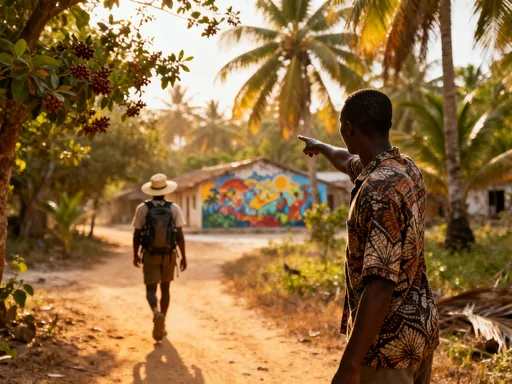
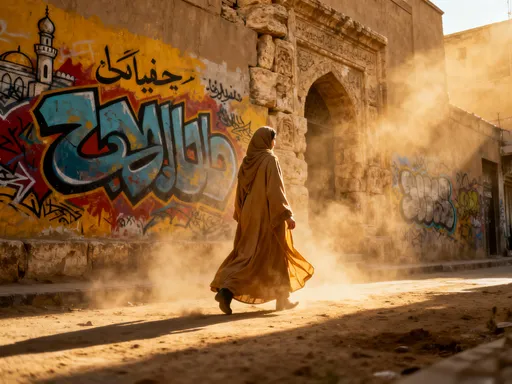
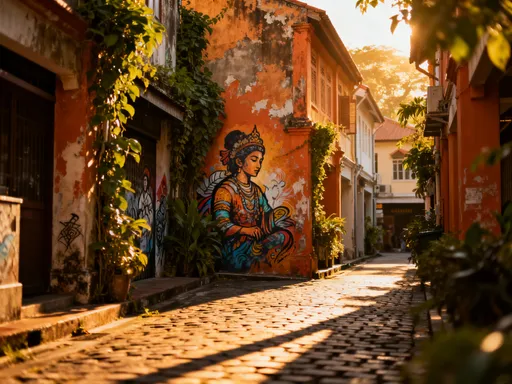
As cultural hiking gains popularity, a new form of creative expression has emerged across Zanzibar’s inland villages—public art that transforms ordinary walls into vibrant storytellers. Colorful murals now adorn the sides of schools, community centers, and even private homes, painted by local youth groups and supported by cultural NGOs. These artworks depict Swahili proverbs, historical events, marine life, and scenes of daily labor, serving both as decoration and education.
One mural in Dimbani shows a fisherman casting a net under a full moon, accompanied by the proverb “Pole pole ndio mwendo” (“Slowly, slowly is the way forward”). Another in Panga portrays a woman grinding spices with a mortar and pestle, surrounded by blooming clove trees. These images are not merely aesthetic; they are acts of cultural affirmation, preserving knowledge and values in a visual language accessible to all. For hikers, encountering these murals along the trail adds layers of meaning to the landscape, turning each walk into a moving gallery.
Equally significant are the informal craft markets that dot the hiking routes. Unlike tourist-centered souvenir shops in Stone Town, these small stalls are run by artisans who create their goods by hand. Woodcarvers shape intricate doors and figurines from mahogany and ebony. Beadworkers string colorful necklaces using recycled glass and seeds. Textile artists demonstrate how to apply henna or stamp patterns onto kanga and kikoi fabrics. These items are not mass-produced; they carry the mark of individual skill and cultural identity.
What makes these markets special is their spontaneity. A hiker might stumble upon a roadside table shaded by a banana leaf, where an elderly woman sells hand-painted postcards depicting village life. Or they may be invited into a backyard studio to watch a blacksmith forge tools using traditional methods. These encounters are unscripted and authentic, allowing travelers to engage with creators on a personal level. Purchasing a piece of art becomes more than a transaction—it becomes a gesture of appreciation and solidarity.
The Role of Local Guides: Storytellers and Cultural Bridges
No cultural hike in Zanzibar is complete without the presence of a local guide. These individuals are far more than navigators; they are historians, educators, and cultural ambassadors. Many come from the very villages travelers walk through, bringing firsthand knowledge of family lineages, agricultural practices, and oral traditions. Their narratives transform a simple path into a living timeline, connecting past and present through stories that textbooks cannot capture.
A skilled guide might pause beside an old stone well and recount how it was used during the spice trade era, linking it to broader patterns of commerce and migration. Another might explain the significance of a particular tree believed to house ancestral spirits, illustrating the spiritual dimensions of the landscape. Still others share personal memories—of walking to school barefoot, of learning to fish from their fathers, of seeing the first tourist arrive in their village decades ago. These moments of vulnerability and trust create powerful emotional resonance.
Hiring a registered local guide does more than enhance the experience—it ensures that tourism supports sustainable development. Many guides are affiliated with community-based organizations that reinvest income into education, healthcare, and infrastructure. Some lead training programs for youth, teaching language skills, first aid, and environmental stewardship. By choosing responsible guiding services, travelers help build capacity within communities, fostering long-term resilience.
Moreover, local guides act as cultural mediators, helping visitors navigate social norms with respect. They advise on appropriate dress, photography etiquette, and conversational topics, ensuring that interactions remain positive and dignified. This role is especially important in a society where hospitality is deeply valued, and where hosts may feel pressured to welcome guests even when inconvenient. A good guide protects both the visitor and the host, maintaining balance and mutual respect.
Practical Tips for Cultural Hiking in Zanzibar
For those considering a cultural hike in Zanzibar, thoughtful preparation enhances both safety and enjoyment. The best time to walk is early in the morning, when temperatures are cooler and wildlife is most active. Starting at sunrise allows hikers to experience the island waking up—the call to prayer echoing from minarets, farmers heading to their fields, mist rising from the wetlands. Midday heat can be intense, so scheduling rest periods in shaded areas is advisable.
Clothing should be lightweight, breathable, and modest out of respect for local customs. Long sleeves and pants offer protection from sun and insects while aligning with community expectations. Closed-toe walking shoes or sturdy sandals are recommended, as some trails can be uneven or muddy after rain. A wide-brimmed hat, sunscreen, and a reusable water bottle are essential—plastic waste is a growing concern, and travelers are encouraged to minimize single-use items.
Drinking water should be carried in sufficient quantity, as access to clean supplies may be limited in rural areas. While some villages have small kiosks selling bottled water, it’s better to refill a filtered bottle when possible. Snacks such as fruit, nuts, or energy bars can be packed from accommodations or purchased locally, supporting small vendors. Travelers with dietary restrictions should communicate needs in advance, especially if planning a home-cooked meal stop.
Finding a registered guide is straightforward through reputable tour operators, community cooperatives, or visitor centers in Stone Town and Jozani. It is strongly advised against wandering off marked paths without guidance, both for personal safety and to avoid trespassing on private land. Unregulated trekking can strain community relations and damage sensitive ecosystems. By sticking to established routes and working with trained professionals, visitors ensure their presence is welcome and beneficial.
Hiking options vary in length and difficulty. Short walks of one to two hours are ideal for families or those with limited mobility, while full-day treks offer deeper immersion for experienced walkers. Most routes are flat or gently rolling, making them accessible to a wide range of fitness levels. Custom itineraries can be arranged for special interests, such as birdwatching, photography, or culinary exploration. The key is to choose a pace that allows for observation, conversation, and reflection.
Why This Journey Matters: Preserving Culture Through Movement
In an age of fast travel and instant gratification, cultural hiking in Zanzibar stands as a quiet act of resistance—a choice to move slowly, listen deeply, and connect authentically. Unlike bus tours that rush from site to site, or beach vacations that isolate visitors from local life, walking through the island’s interior fosters genuine understanding. It allows travelers to see Zanzibar not as a backdrop for relaxation, but as a living, breathing society with its own rhythms, values, and dreams.
This form of tourism also plays a crucial role in cultural preservation. As global influences reshape traditional ways of life, community-based hiking provides economic incentives to maintain language, craftsmanship, and ecological knowledge. When young people see that their heritage has value in the eyes of visitors, they are more likely to carry it forward. Elders gain recognition for their wisdom, artisans find new markets for their work, and families take pride in sharing their world.
Furthermore, cultural hiking promotes environmental awareness. By walking through forests, farms, and wetlands, travelers develop a visceral appreciation for nature’s fragility and resilience. They see firsthand how deforestation affects water sources, how overfishing impacts livelihoods, and how climate change alters seasonal patterns. These observations inspire more mindful choices, both during the trip and after returning home.
Ultimately, hiking through Zanzibar is not just about seeing new places—it is about shifting perspective. It invites travelers to step off the beaten path, not in search of novelty, but in pursuit of meaning. Each footstep becomes a gesture of respect, each conversation a thread in a larger tapestry of human connection. In a world that often feels divided, these trails remind us of what we share: a love for beauty, a need for belonging, and a desire to leave things better than we found them. So lace up your shoes, hire a local guide, and walk with intention. The soul of Zanzibar is waiting—not on a postcard, but on the path beneath your feet.