You Won’t Believe These Hidden Viewpoints in Bodrum
Bodrum is more than just beaches and nightlife—it’s a treasure trove of secret vantage points most tourists never see. I wandered beyond the crowded streets and stumbled upon breathtaking lookouts where the Aegean Sea stretches endlessly under golden light. These off-the-beaten-path spots offer pure, unfiltered beauty. If you're chasing real moments over Instagram crowds, this is your guide to seeing Bodrum like a local explorer. The true soul of this coastal gem reveals itself not in bustling marinas or seaside cafes, but in quiet elevations where the wind carries whispers of ancient seafarers and the horizon blurs into infinity. For the thoughtful traveler—often a woman balancing family life with a longing for personal discovery—these hidden viewpoints offer not just visual wonder, but emotional renewal. Here, time slows. Perspective shifts. And beauty becomes something you feel, not just photograph.
Why Viewpoints Matter in Bodrum
Elevation transforms the way we experience a place. In Bodrum, where the land meets the sea in a dance of light and color, seeing the landscape from above adds depth, context, and emotional resonance to the journey. Most visitors remain at ground level—on sunbeds, in cafes, along promenades—but those who seek higher ground discover a different dimension of beauty. A viewpoint is not merely a place to take a photo; it is a threshold between the ordinary and the sublime. From above, the coastline unfolds like a hand-drawn map, with coves, inlets, and distant islands revealing their quiet geometries. The rhythm of the waves becomes visible, and the vastness of the Aegean instills a sense of peace that is rare in daily life.
Popular photo spots in Bodrum—such as the castle ramparts or the main harbor—are undeniably beautiful, but they often come with crowds, noise, and a sense of performance. There is a difference between witnessing a sunset and being part of a spectacle built around one. Hidden viewpoints, in contrast, offer solitude and authenticity. They are places where you can breathe deeply, listen to the rustle of olive trees, and feel the sun on your skin without distraction. For many women in their thirties to fifties, who spend their days managing households, careers, or extended families, these quiet moments are not a luxury—they are a necessity. They restore balance. They remind us that we are more than our roles. We are observers, seekers, and stewards of beauty.
Choosing to explore Bodrum’s lesser-known lookouts also fosters a deeper connection with the land and its history. These high places were once used by shepherds, watchmen, and sailors to navigate the coast. Standing where they stood creates a quiet continuity across time. You are not just visiting a destination; you are stepping into a long human story. This kind of travel—intentional, reflective, and grounded—aligns with values many mature travelers hold dear: mindfulness, respect, and a desire to leave things better than we found them. By seeking out these elevated perspectives, we do more than see farther—we understand more deeply.
The Hillside Overlook Near Gumusluk (The Fisherman’s Secret)
Nestled at the southern tip of the Bodrum Peninsula, the village of Gumusluk is often celebrated for its underwater ruins and seaside tavernas. Yet few tourists venture up the narrow, stony path that winds behind the village, leading to a secluded hillside overlook known primarily to local fishermen. This hidden vantage point offers one of the most expansive sea views in the region, where the deep blue of the Aegean stretches uninterrupted toward the horizon. On clear days, the silhouette of the Greek island of Kos emerges like a dream in the distance. The air here is crisp, scented with wild thyme and salt, and the only sounds are the occasional bleat of goats and the distant cry of gulls.
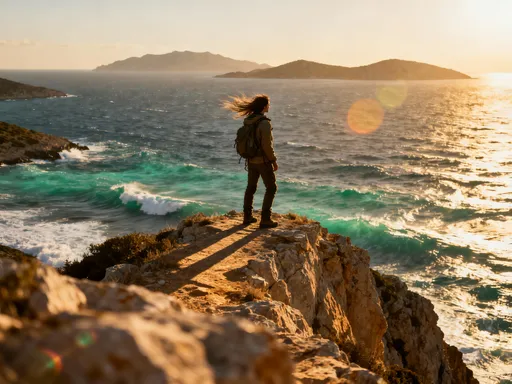
The best time to visit this lookout is either at sunrise or during the golden hour just before sunset. At dawn, the light is soft and pale, casting long shadows across the rocky terrain and illuminating the sea in delicate silver tones. It is a time of stillness, perfect for reflection or quiet conversation with a companion. By late afternoon, the sun begins to dip, bathing the cliffs in warm amber hues and turning the water into a shimmering expanse of gold and turquoise. This is when photographers and solitude-seekers alike find their reward. Because the path is not widely marked, the spot remains largely untouched by tour groups, preserving its intimate, almost sacred atmosphere.
To reach the overlook, begin at the edge of Gumusluk village near the old cemetery and follow the dirt trail that climbs gently to the east. The walk takes about 20 to 25 minutes and requires comfortable, closed-toe shoes with good grip, as the terrain includes loose stones and uneven steps. There are no formal signposts, but the route is well-worn and visible to those who look closely. Along the way, you’ll pass remnants of an old watchtower, its stones weathered by centuries of wind and rain. These ruins speak quietly of Bodrum’s layered past—Ottoman, Byzantine, and beyond—and add a sense of mystery to the journey. When you finally reach the top, the panoramic view unfolds in silence, inviting you to linger, breathe, and simply be.
The Abandoned Watchtower on Zeytinlik Hill
Rising above a quiet stretch of olive groves between Yalikavak and Gumusluk, Zeytinlik Hill is home to one of Bodrum’s most rewarding yet overlooked viewpoints. At its summit stands the crumbling remains of an Ottoman-era watchtower, long abandoned but still standing sentinel over the peninsula. This structure, built centuries ago to monitor sea traffic and warn of approaching ships, now serves a different purpose: offering travelers a 360-degree panorama of breathtaking clarity. To the west, the Gulf of Gökova sparkles under the sun; to the east, the rugged coastline curves gently toward Bodrum Town; and below, endless rows of olive trees ripple like green waves across the hillsides.
Finding the path to the watchtower requires a bit of local knowledge. From the main road, look for a narrow dirt track marked by grazing goats and the occasional handmade sign in Turkish. The ascent is moderate, taking roughly 30 minutes on foot, and winds through dense olive groves where the air is cool and fragrant. You may encounter a shepherd tending his flock or a farmer checking his trees—greetings are welcomed, and a simple "Merhaba" (hello) often brings a warm smile. The final stretch is steeper, but the effort is repaid instantly upon reaching the top. The ruins themselves are modest—four stone walls open to the sky—but their position makes them extraordinary. From this height, you can see not only the coastline but also the subtle patterns of human life: fishing boats dotting the bay, vineyards terraced into the hills, and the occasional villa half-hidden in the pines.
Visitors are encouraged to treat the site with respect. This is not a constructed tourist attraction but a historical remnant that belongs to the landscape and the community. There are no facilities, no trash bins, and no guided tours—just raw, unfiltered beauty. Please carry out everything you bring in, avoid touching fragile stones, and refrain from carving names or leaving offerings. The goal is not to leave a mark, but to carry the memory of the place within you. For women who value quiet dignity and thoughtful travel, this site embodies those ideals. It asks for nothing but attention and offers everything in return: perspective, peace, and a deep sense of connection to the past.
Cliffside Path Above Bitez Bay (A Local’s Morning Walk)
While Bitez Bay is well-known for its calm waters and family-friendly beaches, few visitors realize that above the shoreline lies a scenic cliffside path favored by local residents for morning walks and quiet contemplation. This unpaved trail runs along the edge of the hillside, offering uninterrupted views of the bay’s gentle curve and the pine-covered slopes that rise behind it. Unlike the busy waterfront, this path is rarely crowded, even in peak season. It is a place where you can walk at your own pace, listen to the rustle of leaves, and watch as the first boats glide out of the marina, their wakes cutting silver lines across the still water.
The path begins near a small residential area on the eastern edge of Bitez and follows the contour of the cliff for nearly a kilometer. It is not officially marked on tourist maps, which helps preserve its peaceful character. The terrain is uneven, with exposed roots, loose gravel, and occasional drops near the edge, so sturdy walking shoes are essential. There are no railings or safety barriers, so caution is advised, especially when walking with children. However, the lack of formal infrastructure is part of what makes this route so authentic. It feels like a discovery, a secret shared by those who live here. Along the way, benches placed by locals offer places to rest and take in the view, particularly at a central point where the entire bay unfolds below like a painting.
Mornings are the ideal time to walk this path, when the air is cool and the light is soft. The rising sun illuminates the rooftops of Bodrum Town in the distance and sets the sea surface aglow. Birdsong fills the air—larks, warblers, and the occasional kestrel circling overhead. For women seeking a moment of solitude before the day’s demands begin, this walk offers a powerful reset. It is exercise for the body and balm for the spirit. Many local women walk here with friends, chatting softly as they go, reinforcing bonds while staying active. The path does not promise grandeur or drama; instead, it offers consistency, beauty, and a sense of belonging to a place that values both nature and community.
The High Point Behind Orak Island (Accessible by Boat)
Orak Island, often called the "Maldives of Turkey," is renowned for its crystal-clear waters and vibrant marine life. Yet most day-trippers who come for swimming and snorkeling never make the short hike to the island’s highest point—a rocky summit that delivers one of the most dramatic coastal views in the region. Reaching this vantage point requires a boat, either private or part of a small-group eco-tour, as the island has no permanent residents or docking facilities. Once ashore, the climb takes about 15 minutes and follows a narrow path marked by cairns (stacks of stones) that guide the way through low scrub and sun-baked rock.
From the summit, the view is nothing short of spectacular. The turquoise waters surrounding the island shift in color with the depth and light, revealing underwater rock formations and schools of fish even from above. To the north, the Bodrum Peninsula stretches into the sea, its coastline dotted with secluded coves and pine-covered headlands. To the south, the open Aegean invites the gaze to wander endlessly. On calm days, the reflection of the sky on the water creates a mirror effect, blurring the line between sea and sky. This is a place of pure sensory delight, where the brilliance of color and light can leave you momentarily breathless.
Because Orak Island is a protected natural area, visitors are expected to follow eco-friendly practices. Plastic bottles, food wrappers, and sunscreen containing harmful chemicals should be avoided. Stick to marked paths to prevent damaging fragile vegetation, and never disturb the wildlife. Snorkeling is highly recommended—both before and after the climb—as the underwater world here is as rich as the view from above. The combination of physical activity, natural beauty, and environmental awareness makes this experience especially meaningful for travelers who value sustainability and mindful exploration. For mothers and grandmothers who want to model responsible travel for younger generations, this island offers a perfect example of how to enjoy nature without harming it.
Sunset from Pabuç Burnu (The Ancient Lighthouse Ruins)
At the very tip of the Bodrum Peninsula lies Pabuç Burnu, a rugged headland crowned with the ruins of a Roman-era lighthouse. Known locally as the "Sandal Point" for its shoe-shaped rock formation, this site offers one of the most serene and historically rich sunset experiences in the region. Unlike the crowded rooftop bars of Bodrum Town, where music and chatter often drown out the moment the sun touches the water, Pabuç Burnu remains quiet and reverent. A moderate 30-minute walk from the nearest road brings you to a windswept promontory where the only company may be a fellow traveler or a grazing goat. The low stone walls of the ancient lighthouse, partially restored but never rebuilt, frame the horizon like a natural picture window.
As the sun descends, the sky transforms into a canvas of pinks, oranges, and deep purples, reflected in the calm waters below. The ruins, weathered by centuries of sea spray, take on a warm glow, connecting the present moment to a distant past when Roman sailors relied on this light to navigate safely. There is something profoundly grounding about watching the day end in such a place—where human history and natural beauty converge. For women who have spent years caring for others, this kind of solitude is rare and precious. It allows space for gratitude, reflection, and a quiet kind of joy that does not need to be shared to be felt.
The path to Pabuç Burnu is signposted but not heavily trafficked, preserving its sense of discovery. Wear comfortable shoes and bring a light jacket, as the breeze can be strong even in summer. A small information panel at the trailhead provides historical context in Turkish and English, explaining the site’s significance as part of an ancient maritime network. There are no vendors, no chairs, no amenities—just the raw beauty of place and time. This simplicity is its strength. It reminds us that the most meaningful experiences often require nothing more than presence, patience, and a willingness to step slightly off the beaten path.
Putting It All Together: Planning Your Viewpoint Journey
Exploring Bodrum’s hidden viewpoints is not just about visiting places—it’s about crafting an experience rooted in mindfulness, preparation, and respect. The best times to undertake this journey are during the shoulder seasons: April to May and September to October. During these months, the weather is warm but not scorching, the skies are clear, and the crowds are thinner. The light is especially kind to photographers, with soft mornings and golden evenings that enhance the natural beauty of every lookout. These periods also align well with school calendars, making them ideal for women who travel with family but still seek moments of personal enrichment.
Transportation plays a key role in accessing these remote spots. While some viewpoints, like the one above Bitez Bay, are reachable on foot from nearby towns, others require a scooter, rental car, or participation in a guided eco-tour. A scooter offers flexibility and a sense of freedom, allowing you to stop at will and explore side paths. However, for those unfamiliar with local roads, a guided tour led by a knowledgeable local can enhance both safety and understanding. Many small operators specialize in sustainable, low-impact itineraries that include stops at lesser-known sites, providing context and ensuring minimal environmental disruption.
Essential gear should include a reusable water bottle, a wide-brimmed hat, sunscreen, and a map app with offline capabilities—such as Google Maps or Maps.me—since cell service can be spotty in remote areas. A lightweight backpack is useful for carrying snacks, a camera, and a small first-aid kit. While smartphones are convenient, a dedicated camera with zoom capability can capture the distant islands and intricate details of the landscape more effectively. Most importantly, bring a sense of curiosity and patience. These viewpoints are not designed for quick visits. They reward those who slow down, observe closely, and remain open to unexpected moments—a heron taking flight, a hidden wildflower, a sudden shaft of light breaking through the clouds.
Ultimately, the goal of this journey is not to check off a list, but to deepen your connection with Bodrum’s natural and cultural landscape. Each viewpoint offers more than a view—it offers a pause, a breath, a chance to realign with what matters. For women who often place others first, these quiet elevations serve as gentle reminders that self-care is not selfish. It is necessary. And sometimes, the best way to care for oneself is simply to stand still, look out, and remember the vastness of the world and our place within it.
These hidden viewpoints aren’t just about scenery—they’re invitations to pause, reflect, and truly see. Bodrum’s magic lies beyond the postcards, in quiet moments on windswept hills and forgotten coastlines. By choosing to explore deeper, travelers don’t just witness beauty—they become part of it.