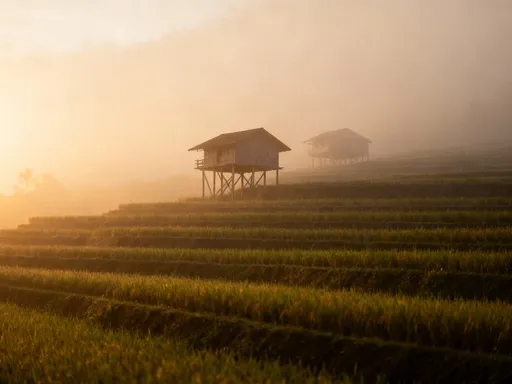
You Won’t Believe What Happens When Bagan Comes Alive at Festival Time
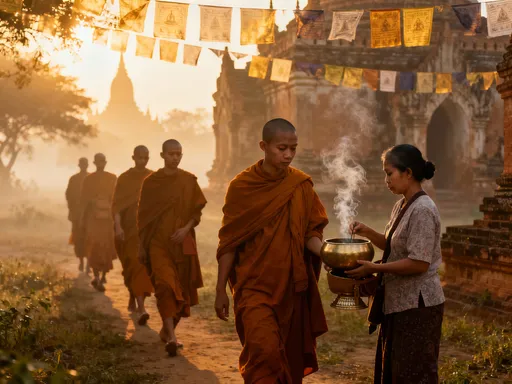
Bagan isn’t just ancient temples and hot air balloons—it transforms during festival season into a living, breathing celebration of Burmese culture. I’ve wandered through misty mornings watching monks collect alms, danced under starlit pagodas, and tasted sweets made only once a year. These festivals aren’t performances; they’re real, raw, and deeply spiritual. If you want to see Bagan beyond postcards, timing your visit with a festival is an absolute game-changer.
Why Festival Season Turns Bagan Into Something Magical
When most people imagine Bagan, they picture golden stupas rising from the dry plains under a blazing sun, visited by quiet travelers climbing stone steps in the early light. While that image holds truth, it captures only half the story. During festival season, the archaeological zone pulses with energy, transforming from a silent landscape of ruins into a vibrant hub of communal life. Temples that stand in stillness for most of the year become centers of prayer, music, food, and gathering. This shift is not staged for tourists—it is organic, heartfelt, and deeply rooted in the rhythms of Burmese Buddhist tradition.
The magic of Bagan at festival time lies in its authenticity. There are no ticketed shows or choreographed pageants. Instead, locals return to ancestral villages, families reunite, and monks from surrounding monasteries gather to lead ceremonies. The air fills with the scent of sandalwood and burning incense, children laugh as they light paper lanterns, and elders chant under shaded pavilions. It’s a rare opportunity to witness Myanmar’s spiritual heartbeat, where faith and festivity intertwine in ways that feel both ancient and immediate.
For the mindful traveler, this season offers a deeper kind of tourism—one built on presence rather than observation. Rather than simply photographing history, you experience it as a living tradition. The temples are no longer relics frozen in time; they are active places of devotion, where prayer flags flutter in the wind and butter lamps flicker through the night. This emotional and cultural awakening makes festival time not just a sight to see, but a feeling to carry long after the journey ends.
Major Festivals in Bagan: Names, Dates, and Significance
Bagan’s festival calendar revolves around the lunar cycles and key events in the Theravada Buddhist tradition. Among the most significant is the Ananda Temple Festival, held annually in late January or early February, depending on the lunar calendar. Lasting three to five days, this celebration honors the sacred Buddha image enshrined within the Ananda Temple, one of Bagan’s most revered and architecturally exquisite monuments. Pilgrims travel from across the country to pay homage, light candles, and make offerings, transforming the temple grounds into a sea of devotion and color.
Another notable event is the Shwezigon Pagoda Festival, which typically takes place in November or December. This festival commemorates the enshrinement of Buddhist relics and draws thousands of worshippers who walk barefoot along the stone paths, circling the gilded stupa in silent prayer. The atmosphere is both solemn and joyful, marked by communal meals, traditional chanting, and the ringing of temple bells at dawn and dusk.
Smaller local temple festivals also occur throughout the year, often tied to village patronage or seasonal changes such as the end of the monsoon. These gatherings may not attract international attention, but they are no less meaningful. They reflect the deep connection between land, faith, and community that defines rural Myanmar. Unlike commercialized celebrations elsewhere, these festivals remain largely untouched by tourism influence. There are no flashy sponsorships or mass-produced souvenirs—just homemade offerings, handwoven textiles, and the shared joy of being together in sacred space.
For visitors, understanding the significance of these events is crucial. Each festival serves not only a religious purpose but also strengthens social bonds and preserves cultural knowledge. The timing, rituals, and regional variations are passed down through generations, ensuring that the spirit of Bagan remains alive not only in stone, but in the hearts of its people.
What to Expect: A Day in the Life During a Festival
A typical day during a Bagan festival unfolds like a carefully woven tapestry of ritual, celebration, and daily life. The morning begins before sunrise, when the first light filters through the mist and the soft chime of monk’s alms bowls echoes across the plains. This is the time for tak bat, the daily alms-giving ceremony, which takes on special meaning during festivals. Locals line the paths near major temples, kneeling with baskets of sticky rice, fruit, and boiled eggs, offering food to monks who walk in silent procession. Visitors are welcome to observe from a respectful distance, their presence acknowledged with a quiet nod or a gentle smile.
By mid-morning, the energy shifts. Markets spring up around temple courtyards, selling everything from hand-rolled betel leaves to intricately carved coconut candies. The scent of roasted green tea and grilled fish mingles with the earthy aroma of damp soil after a rare winter rain. Children dart between stalls, clutching paper fans and cotton candy spun from sugar and fire. Traditional musicians tune their saung (harp) and pattala (xylophone), preparing for the afternoon’s performances, which often tell stories from the Jataka tales—past lives of the Buddha—through song and dance.
The highlight of the day usually comes in the late afternoon, when a ceremonial procession winds its way through the temple grounds. Led by robed monks and local elders, the parade includes ornately decorated carts carrying sacred images, followed by drummers, dancers in traditional costumes, and families carrying offerings of flowers and candles. The rhythm builds gradually, creating a wave of sound and movement that draws everyone into its current. As dusk falls, thousands of lanterns are lit, floating upward like fireflies, symbolizing the release of merit and the illumination of the mind.
Evenings are for quiet reflection and shared meals. Families gather under temporary shelters, eating from communal trays while elders recount stories of past festivals. Travelers who have built respectful connections may be invited to join, offered a plate of mohinga or a cup of sweet milk tea. These unscripted moments—simple, warm, and genuine—are often the most memorable of all.
How to Plan Your Visit: Timing, Travel, and Temple Access
Planning a trip to Bagan during festival season requires thoughtful preparation, especially since dates follow the lunar calendar and can shift from year to year. The Ananda Temple Festival, for example, typically aligns with the full moon of Tabaung, which falls in February or March. The Shwezigon Festival often coincides with the full moon of Thadingyut, marking the end of Buddhist Lent in October or November. Travelers should consult reliable local sources or official tourism advisories to confirm exact dates, as even small variations can affect accommodation availability and festival participation.
Accommodations in and around Bagan fill up quickly during major festivals. Hotels, guesthouses, and even homestays in nearby villages may be fully booked months in advance. To secure a comfortable stay, it’s wise to reserve at least three to four months ahead, particularly if traveling with family or in a group. For those seeking a more immersive experience, some local families open their homes to guests during festival periods, offering a rare glimpse into domestic life and traditions. These arrangements, while informal, can be arranged through community-based tourism networks or trusted local guides.
Transportation within Bagan also changes during festivals. While the usual options—bicycles, e-bikes, and horse-drawn carriages—remain available, certain roads near temple complexes may be closed or restricted to accommodate processions and gatherings. Visitors should expect increased foot traffic, especially around the Ananda and Shwezigon temples, and plan their daily routes accordingly. Early mornings are ideal for temple visits, as the crowds are smaller and the light is perfect for quiet contemplation.
Temple access may be temporarily adjusted during large events. Some areas might be reserved for monks or devotees during key ceremonies, and photography could be limited in specific zones. These changes are not meant to exclude travelers but to honor the sacred nature of the occasion. By staying informed and flexible, visitors can navigate these adjustments with grace, ensuring their presence enhances rather than disrupts the experience for others.
Unique Experiences Only Available During Festivals
One of the greatest rewards of visiting Bagan during festival time is the chance to participate in rituals and traditions that exist only for a brief window each year. Among the most moving is the candlelit procession, held on the final night of major festivals. As darkness falls, thousands of devotees light small oil lamps or paper lanterns and walk in silent formation around the base of a great stupa, their flickering lights creating a glowing river of devotion. Travelers are often invited to join, walking side by side with locals in a shared act of reverence. It is a moment of profound connection—one that transcends language and nationality.
Another rare delight is the availability of festival-specific foods. Throughout the year, Bagan’s markets offer staples like mont lin mayar (a sweet banana fritter) and shwe yin aye (a coconut jelly dessert), but during celebrations, special treats appear only for a few days. One such delicacy is hpoun shwe, a steamed rice cake filled with palm sugar and coconut, traditionally made to honor ancestors and shared among family and neighbors. Vendors set up temporary stalls, and the smell of freshly steamed banana leaves fills the air. Tasting these seasonal specialties is not just a culinary experience—it’s a way of engaging with local customs and expressing gratitude for hospitality.
Entertainment during festivals also includes traditional Burmese puppetry, a centuries-old art form that blends storytelling, music, and craftsmanship. Puppet troupes perform near temple grounds, their intricately carved wooden figures brought to life through skilled manipulation and live narration. These shows, often based on Buddhist parables or historical legends, captivate both children and adults. For travelers, attending a performance is a chance to witness a cultural treasure that is slowly fading in modern times, preserved only through dedication and community support.
These fleeting experiences remind us that travel is not just about seeing places, but about being present in moments that cannot be replicated. They invite us to step beyond the role of observer and become temporary members of a living tradition—one that welcomes respectful participation with open arms.
Photography and Etiquette: Capturing Moments Without Crossing Lines
Bagan during festival season offers some of the most photogenic moments a traveler can encounter—the glow of lanterns against ancient brickwork, monks in saffron robes walking in procession, children laughing under strings of colored flags. Yet, with such powerful imagery comes the responsibility to photograph with care and respect. Many of the activities taking place are deeply spiritual, and devotees may not welcome intrusive cameras, especially during private prayers or family rituals.
The best approach is to ask for permission before photographing individuals, particularly monks, elders, or families engaged in ceremonies. A simple smile and a gesture toward your camera can go a long way. In many cases, people are happy to be photographed once they feel acknowledged and respected. However, if someone declines or turns away, it’s important to honor their wishes without argument or persistence.
Certain rituals, such as the lighting of butter lamps or the offering of alms, should be observed from a distance. Using a zoom lens allows you to capture detail without encroaching on sacred space. Avoid using flash during evening ceremonies, as it can disrupt the mood and disturb participants. Instead, consider a camera with strong low-light performance or a tripod for steady shots in dim conditions.
Equally important is the etiquette of presence. Standing too close, blocking pathways, or stepping into restricted areas for a better angle can unintentionally disrespect both locals and the site itself. Temples are not stages—they are places of worship. The most meaningful images often come not from perfect composition, but from patient observation and genuine connection. Sometimes, the best photograph is the one you don’t take—the memory you carry instead.
Beyond the Festival: Balancing Celebration with Serenity
After days of vibrant festivals, music, and crowds, Bagan also offers quiet spaces for reflection and renewal. These moments of stillness are just as essential to the journey as the celebrations themselves. One of the most peaceful experiences is visiting a lesser-known temple at sunrise, when the world is hushed and the first light gilds the stupas in soft gold. Places like Sulamani, Gubyaukgyi, or Dhammayangyi, while historically significant, often see fewer visitors and provide a chance to walk slowly, breathe deeply, and absorb the quiet majesty of the landscape.
Another way to restore balance is a boat ride along the Ayeyarwady River. As the festival energy lingers on land, the river flows calmly, reflecting the sky and the distant silhouette of temples. Small boats depart from nearby villages, offering serene journeys downstream. You might see fishermen casting nets, herons gliding above the water, or farmers tending fields along the banks. The rhythm of the river—steady, unhurried, timeless—offers a natural counterpoint to the intensity of festival life.
Simple meals at family-run teahouses also provide comfort and connection. These modest establishments serve authentic Burmese dishes—curries simmered with turmeric and garlic, fresh salads with lime and chili, and steaming cups of sweet black tea. Sitting on low wooden stools, sharing a meal with locals or fellow travelers, you begin to feel not like a visitor, but like someone briefly welcomed into the rhythm of daily life.
Bagan’s true magic lies in this duality—the ability to host grand celebrations and profound silence within the same horizon. To experience both is to understand the full depth of its spirit. The festivals remind us of community, joy, and devotion; the quiet moments teach us presence, gratitude, and inner peace. Together, they form a journey that resonates long after the last lantern has faded into the night.
Festival time in Bagan isn’t just a trip highlight—it’s a doorway into the heart of Myanmar’s spiritual and cultural rhythm. By witnessing these authentic celebrations, travelers don’t just see history; they become part of its living story. With thoughtful planning and deep respect, your journey can be as meaningful as it is unforgettable.