Lost in Dresden’s Soul: Where Every District Tells a Story
Ever walked through a city and felt like you’ve stepped into a living storybook? That’s Dresden for you—quiet alleys humming with history, vibrant neighborhoods bursting with modern flair. I wandered its districts not as a tourist, but as a traveler craving real moments. From baroque elegance to underground art scenes, each corner offers a unique rhythm. This isn’t just sightseeing—it’s feeling a city breathe. In a world where destinations often blur into one another, Dresden stands apart, not only for its dramatic rebirth from wartime ruins but for the quiet depth found in its diverse districts. To know Dresden is to move beyond the postcard views and explore the soul of a city that remembers, creates, and lives—one neighborhood at a time.
Altstadt: Stepping Into the Heart of Rebirth
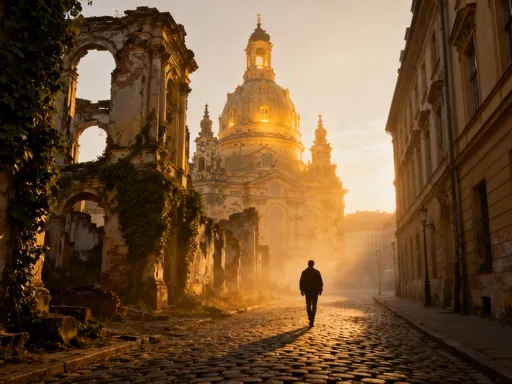
Dresden’s Altstadt, or Old Town, is the beating heart of the city’s historical memory and architectural resurrection. At its center stands the Frauenkirche, a masterpiece of Protestant sacred architecture that was reduced to rubble during the Allied bombing of February 1945. For decades, the ruins remained as a silent witness to destruction, but in 2005, after a meticulous reconstruction effort funded largely by international donations, the church rose again—its golden cross gleaming atop the dome as a symbol of reconciliation and resilience. Walking through Neumarkt today, visitors feel the weight of history in the air. The cobblestones, the reconstructed sandstone façades, and the solemn silence during evening chimes create an atmosphere unlike any other in Europe. This is not merely a restored cityscape; it is a deliberate act of remembrance made visible.
The Zwinger Palace, another jewel of the Altstadt, showcases Dresden’s golden age under Augustus the Strong in the early 18th century. Designed by architect Matthäus Daniel Pöppelmann, the complex blends baroque exuberance with mythological motifs, housing world-class collections in the Gemäldegalerie Alte Meister and the Porcelain Collection. To stand beneath its sculpted arcades is to witness the grandeur of a court that once rivaled Versailles. Yet what makes the Altstadt truly special is not only its beauty but its layered past—every monument carries the echo of loss and renewal. The Semperoper, rebuilt twice after fires and war, continues to host performances that resonate with both artistic excellence and emotional depth.
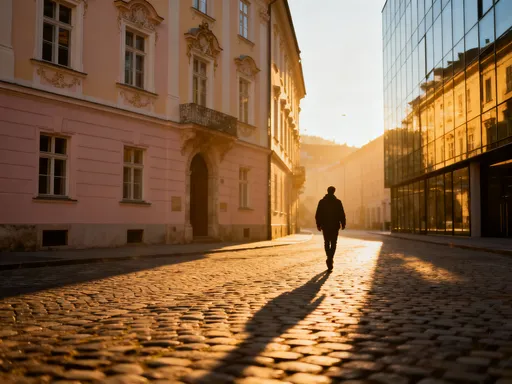
Timing your visit to the Altstadt enhances the experience significantly. Early mornings offer a chance to walk Neumarkt in near solitude, when sunlight gently warms the pale stone and the city stirs slowly to life. Late afternoons bring golden hour light that bathes the Brühlsche Terrasse—the "Balcony of Europe"—in a soft glow, with panoramic views over the Elbe River. By evening, the illuminated Frauenkirche becomes a beacon of peace. Avoiding peak tourist hours, particularly between 11 a.m. and 3 p.m., allows for a more reflective engagement with the space. Guided walking tours, available in multiple languages, provide context about the wartime destruction and reconstruction, helping visitors grasp the emotional significance behind the beauty. The Altstadt is not just to be seen—it is to be felt, remembered, and honored.
Neustadt: The Pulse of Underground Culture
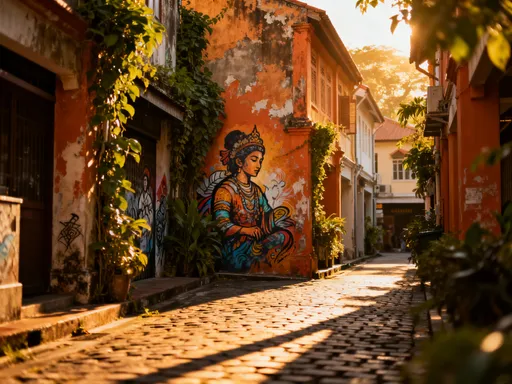
If the Altstadt represents Dresden’s remembered past, then Neustadt—especially North and South Neustadt—embodies its creative present. Once a neglected part of the city, this district has transformed into a thriving hub for artists, musicians, and independent thinkers. The streets here pulse with color and energy, lined with murals, graffiti-covered walls, and facades that serve as open-air galleries. Bunte Republik Neustadt, a self-declared autonomous cultural zone established in the 1990s, remains a symbol of grassroots activism and artistic freedom. While officially recognized today, it still retains its rebellious spirit through street festivals, pop-up exhibitions, and community-led events that celebrate nonconformity and self-expression.
Wander along Alaunstraße or Königstraße, and you’ll find a different kind of Dresden—one defined by vintage clothing stores, independent bookshops, and cozy cafés where locals sip fair-trade coffee and debate art and politics. Weekends bring the famous Neustadt Market to life, where farmers, crafters, and food vendors set up stalls beneath chestnut trees. It’s the perfect place to sample regional specialties like Quarkkeulchen (sweet potato pancakes) or organic sausages from local farms. The district’s nightlife is equally vibrant, with intimate *Kneipen* (pubs) hosting live jazz, acoustic sets, or underground electronic music. Unlike the polished venues in the city center, these spaces thrive on authenticity, offering unfiltered access to Dresden’s contemporary culture.
For travelers seeking immersive experiences, Neustadt rewards exploration on foot. A self-guided walking route might begin at the vibrant murals near the Hauptbahnhof, continue through the green oasis of Albertplatz, and end in the quieter, tree-lined streets of Südvorstadt, where converted villas house artist studios and yoga collectives. There are no strict itineraries here—discovery happens in unexpected corners. You might stumble upon a hidden courtyard concert, a secondhand vinyl shop with rare East German pressings, or a community garden tended by residents. This spontaneity is what makes Neustadt so compelling. It invites visitors not to observe, but to participate, even if only by listening, smiling, or sharing a moment over a shared table at a bustling beer garden. In Neustadt, Dresden reveals its youthful, restless soul.
Blasewitz: Where Elegance Meets Everyday Life
Just a short tram ride south of the city center, Blasewitz unfolds as a tranquil counterpoint to Dresden’s more bustling districts. Nestled along the western bank of the Elbe River, this residential neighborhood exudes understated elegance. Tree-lined avenues, such as Pillnitzer Landstraße and Weberplatz, are framed by beautifully preserved Jugendstil and historicist villas, their ornate balconies and stained-glass windows hinting at a refined past. Yet Blasewitz is no museum piece—it is a living, breathing community where families walk dogs, children play in quiet parks, and neighbors greet each other by name. To walk here is to experience the dignity of everyday life in one of Germany’s most graceful urban enclaves.
The district’s proximity to the Elbe offers ample opportunities for relaxation and recreation. The riverside promenade, especially near the Blaue Wunder (Blue Wonder) bridge, is popular with joggers, cyclists, and couples enjoying a sunset stroll. On warm days, locals gather on the grassy banks for picnics or float down the river in small boats. The Großer Garten, though technically just outside Blasewitz, is easily accessible and serves as a green lung for the southern part of the city. This expansive park features formal gardens, a small zoo, and a neoclassical palace, making it ideal for a leisurely afternoon escape. Unlike the curated beauty of the Altstadt, Blasewitz offers a softer, more personal kind of charm—one that reveals itself slowly, through quiet observation.
What makes Blasewitz particularly valuable for travelers is its ability to show Dresden as a place where people live, not just perform for visitors. There are no souvenir shops or crowded tour groups here. Instead, you’ll find neighborhood bakeries with warm pretzels in the morning, corner grocery stores stocking regional products, and quiet bookstores tucked into ground-floor apartments. Visiting such areas fosters a deeper connection to the city’s rhythm. It reminds us that travel is not only about seeing famous landmarks but also about understanding how ordinary life unfolds in different places. For those willing to slow down, Blasewitz offers a rare gift: the chance to witness beauty in stillness, and history in the details of daily living.
Plauen: Green Escapes and Local Rhythms
Further south, the district of Plauen offers a different dimension of Dresden—one rooted in nature, tradition, and rural charm. Often overlooked by tourists, Plauen is a place where the city gently fades into forest and vineyard. The Plauenscher Grund, a deep sandstone gorge carved by the Weißeritz River, is one of Dresden’s best-kept natural secrets. A network of well-marked hiking trails winds through moss-covered rocks, ancient trees, and hidden footbridges, offering a peaceful retreat just minutes from urban life. In spring, wild garlic carpets the forest floor; in autumn, the foliage turns to gold and crimson. Birdsong replaces traffic noise, and the only rush comes from the flowing water below.
Beyond the gorge, Plauen is known for its vineyards and orchards, part of a long-standing Saxon wine-growing tradition. Small family-run wineries offer tastings of local white wines, particularly Weißburgunder (Pinot Blanc) and Goldriesling, often served with homemade bread and cheese on rustic wooden tables. These moments of simplicity—sitting under a pergola with a glass of cool wine, watching the sun dip behind the hills—are among the most authentic experiences Dresden has to offer. For active travelers, renting a bike in central Dresden and cycling south along the Weißeritz Valley is a rewarding adventure. The route passes through quiet villages, working farms, and patches of untouched woodland, culminating in a picnic by the river or a stop at a countryside café.
Plauen also hosts seasonal festivals that reflect its agricultural roots. The annual Kirschblütenfest (Cherry Blossom Festival) draws locals and visitors alike to celebrate the fleeting beauty of spring blossoms with music, food, and guided walks. These events are not staged for tourism—they are genuine community gatherings that reflect the values of sustainability, neighborliness, and connection to the land. By stepping into spaces like Plauen, travelers gain a more balanced view of Dresden: not only a city of art and history, but also one surrounded by nature and grounded in seasonal rhythms. It is a reminder that the best journeys include both cultural discovery and quiet reconnection with the earth.
Pieschen: A Glimpse Into Dresden’s Everyday Heart
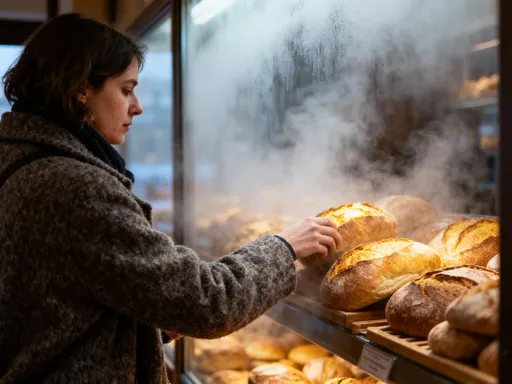
To the east of the Elbe, the district of Pieschen remains one of Dresden’s most unassuming yet endearing neighborhoods. It lacks grand monuments or tourist attractions, which is precisely what makes it so revealing. Here, life unfolds at a human scale—children ride bicycles on quiet streets, grandparents tend flower boxes on balconies, and neighbors chat outside corner shops. A morning walk through Pieschen might begin at a local bakery, where the scent of fresh rye bread and cinnamon rolls fills the air. The baker knows regulars by name, and transactions are accompanied by small talk about the weather or the weekend plans. This is the fabric of daily life, woven from routine, trust, and quiet dignity.
Pieschen’s weekly farmers’ market, held in the central square, is a microcosm of local values. Stalls overflow with seasonal produce—crisp apples, purple cabbage, jars of honey, and homemade jams. Artisans sell hand-knitted woolens, wooden toys, and herbal teas. There is no pretense, no attempt to cater to foreign tastes—this is food and craft made for and by the community. Visitors are welcome, but they are observers, not the focus. It’s a refreshing contrast to the curated markets in tourist zones. Grabbing a warm pastry and sitting on a nearby bench, watching the neighborhood wake up, becomes a meditation on simplicity and connection.
The district also reflects Dresden’s post-reunification evolution. Once home to industrial sites and modest housing blocks, Pieschen has seen steady improvements in infrastructure and public spaces. New playgrounds, renovated tram stops, and green corridors show a commitment to livability. Yet it has resisted gentrification, maintaining its working- and middle-class character. For travelers, Pieschen offers a rare opportunity to see how people truly live—not in idealized versions of home, but in real homes, with laundry on the line and bicycles in the hallway. It’s in these ordinary moments that the soul of a city often resides, not in its grandest halls, but in its humblest streets.
Friedrichstadt: Between History and Renewal
Friedrichstadt, located just south of the Altstadt, occupies a quiet but significant place in Dresden’s urban tapestry. Historically a residential area for civil servants and military officers, it suffered heavy damage during World War II and was later rebuilt in the functional style characteristic of the GDR era. Today, it represents a blend of past and present—where mid-century apartment blocks stand alongside carefully restored historic buildings. The Japanisches Palais, once a royal residence and now home to the State Ethnographic Collections, anchors the district with cultural gravitas. Its exhibitions, which include artifacts from Africa, Asia, and the Americas, reflect Dresden’s long-standing commitment to global understanding through art and anthropology.
Though less frequented by tourists, Friedrichstadt is an essential part of the city’s identity. It is home to several educational institutions, including parts of TU Dresden, and serves as a residential neighborhood for students, academics, and young families. Tree-lined streets like Bautzner Straße and Anzengruberstraße offer a peaceful urban environment, with corner cafés, small grocery stores, and playgrounds integrated into the fabric of daily life. Public spaces have been thoughtfully upgraded, with bike lanes, pedestrian zones, and community gardens enhancing quality of life. The district’s tram connections make it easily accessible, yet it retains a sense of calm removed from the city’s tourist core.
Friedrichstadt’s quiet transformation mirrors Dresden’s broader journey—from destruction to reconstruction, from division to renewal. It does not shout its history; it whispers it. There are no grand memorials here, but the presence of the past is felt in the architecture, the street names, and the rhythms of community life. For travelers willing to venture beyond the highlight reels, Friedrichstadt offers a lesson in resilience and continuity. It shows that cities are not only built from monuments, but from the quiet persistence of ordinary neighborhoods that endure, adapt, and thrive.
Why District-Hopping Transforms Travel
Exploring Dresden district by district does more than broaden your itinerary—it deepens your understanding of what a city truly is. Rather than collecting sights like stamps, you begin to feel the pulse of a place, to recognize its contrasts and connections. The grandeur of the Altstadt, the creativity of Neustadt, the elegance of Blasewitz, the green calm of Plauen, the simplicity of Pieschen, and the quiet resilience of Friedrichstadt together form a mosaic that no single landmark could convey. This approach to travel—slow, intentional, and locally engaged—transforms sightseeing into storytelling, where you are not just a spectator, but a participant in the narrative of a living city.
Practically, Dresden makes this kind of exploration accessible. Its compact size and excellent public transportation system, particularly the efficient tram network, allow visitors to move seamlessly between districts. A day pass for the Dresdner Verkehrsbetriebe (DVB) provides unlimited rides on trams, buses, and even some regional trains, making it easy to venture as far as Plauen or as close as the next neighborhood over. Walking is equally rewarding—many districts are best discovered on foot, where chance encounters and unplanned detours lead to the most memorable moments. Early mornings and weekday visits often mean fewer crowds and more authentic interactions with locals.
Respectful engagement enhances the experience. Simple gestures—smiling, saying "Guten Tag," or stepping aside to let someone pass—go a long way in building goodwill. When photographing people or private spaces, always ask for permission. Support local businesses by buying a coffee from a neighborhood café or purchasing handmade goods at a weekly market. These small acts of connection foster mutual respect and enrich the journey for everyone involved. Ultimately, district-hopping is not just about seeing more—it’s about seeing differently. It invites us to look beyond the surface, to listen to the quiet stories that cities whisper to those who take the time to wander, wonder, and connect. In Dresden, every district tells a story. The only question is: are you ready to listen?