You Gotta See These Las Vegas Spots That Aren’t Just Casinos
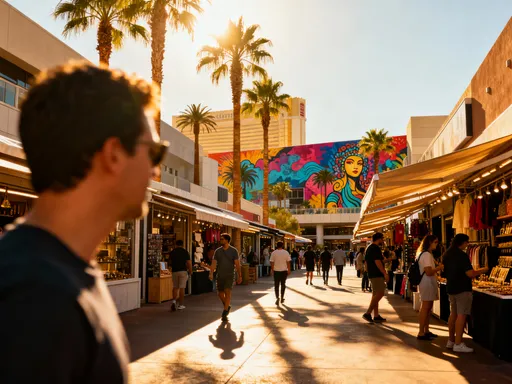
Las Vegas isn’t just about neon lights and slot machines — it’s a city of surprises hiding beyond the Strip. I went searching for the real pulse of the city and found dazzling commercial hubs where locals shop, eat, and unwind. From open-air markets to sleek downtown districts, Vegas delivers unforgettable urban energy. This isn’t your typical tourist guide — it’s a firsthand journey into the vibrant, often overlooked, commercial heart of the city. Beyond the dazzle of nightly shows and high-stakes tables lies a dynamic network of neighborhoods, markets, and lifestyle centers that reflect how people live, work, and connect. This is the Las Vegas many never see — authentic, evolving, and full of everyday charm.
Beyond the Glitz: Rethinking Las Vegas’ Commercial Identity
For decades, Las Vegas has been framed as a destination of excess — a playground built on chance, celebrity, and spectacle. Yet beneath the surface of its glittering reputation lies a thriving network of commercial life that sustains the city far beyond the casino floor. While the Strip draws millions with its promise of entertainment, the true rhythm of Las Vegas beats in its neighborhoods, shopping centers, and local markets. These spaces are not merely functional; they are cultural anchors where residents gather, entrepreneurs thrive, and communities grow. Understanding this side of the city transforms how we see Las Vegas — not as a one-dimensional escape, but as a modern American metropolis with depth, diversity, and daily vitality.
The evolution of Las Vegas into a multifaceted urban center has been decades in the making. Once defined primarily by tourism and gaming, the city has steadily diversified its economy. Retail, dining, education, healthcare, and technology now play increasingly important roles. This shift is visible in the way commercial spaces have expanded and adapted. New developments prioritize walkability, sustainability, and community engagement, reflecting broader national trends in urban planning. As more people choose to live in Las Vegas year-round — not just visit — the demand for high-quality, accessible commercial environments has grown. The result is a city that balances spectacle with substance, offering both world-class entertainment and a rich local economy.
What makes these commercial areas particularly compelling is their ability to serve dual audiences: tourists seeking authentic experiences and locals looking for convenience, connection, and comfort. A morning coffee at a downtown café might be enjoyed by a resident on their way to work and a visitor exploring side streets between hotel check-in and a show. A weekend farmers market draws families from nearby suburbs alongside curious travelers eager to taste regional flavors. These overlapping uses create a unique urban energy — one that feels both curated and organic. By stepping into these shared spaces, visitors gain insight into the lives of those who call Las Vegas home, moving beyond the fantasy to experience the city’s genuine character.
The Strip’s Power Play: Where Tourism Meets Big Business
The Las Vegas Strip is often seen as a linear stretch of resorts and entertainment venues, but it is also one of the most concentrated commercial corridors in the United States. Far more than a tourist trail, it functions as a sophisticated retail ecosystem designed to captivate and convert. Major shopping destinations like The Shops at Crystals, Fashion Show Mall, and The Grand Canal Shoppes at The Venetian are not afterthoughts — they are central to the Strip’s economic engine. These centers blend luxury branding with experiential design, offering everything from designer boutiques to interactive installations. Their success lies in creating environments where shopping feels like part of the entertainment, not a separate activity.
The layout of the Strip itself reinforces this commercial strategy. Pedestrian walkways, climate-controlled connectors, and strategically placed signage guide visitors seamlessly from hotel lobbies to retail plazas. Foot traffic is carefully managed through lighting, music, and spatial design to encourage lingering and impulse purchases. On average, over 40 million people walk the Strip annually, many of whom spend significantly in these retail zones. Stores benefit from high visibility and captive audiences, while visitors enjoy a curated mix of global brands and exclusive offerings. The presence of flagship stores — such as the largest Apple Store in Nevada at Crystals — signals that Las Vegas is taken seriously by major retailers.
What sets the Strip’s commercial model apart is its integration of luxury with accessibility. While high-end labels like Gucci, Rolex, and Louis Vuitton anchor certain malls, they coexist with mid-tier retailers and affordable dining options. This tiered approach ensures that the shopping experience remains inclusive, appealing to a broad demographic. A family can browse for souvenirs at a gift shop, enjoy a casual meal at a food court, and still feel immersed in the glamour of their surroundings. At the same time, affluent shoppers find everything they need within climate-controlled comfort, from bespoke tailoring to rare jewelry. This balance is intentional — it maximizes foot traffic and spending across income levels, making the Strip a masterclass in retail psychology and urban design.
Downtown Las Vegas: Revival in Full Swing
Just minutes from the Strip, Downtown Las Vegas has undergone a remarkable transformation. Once dismissed as faded and forgotten, this historic core is now a hub of innovation, creativity, and community-driven growth. Led by private investment and civic initiatives, areas like the Arts District and Container Park have become symbols of urban renewal. What was once a quiet, underutilized zone is now alive with murals, pop-up markets, artisan cafés, and live music. The change reflects a broader shift in how cities value authenticity and local culture — and Las Vegas is proving it can embrace both reinvention and heritage.
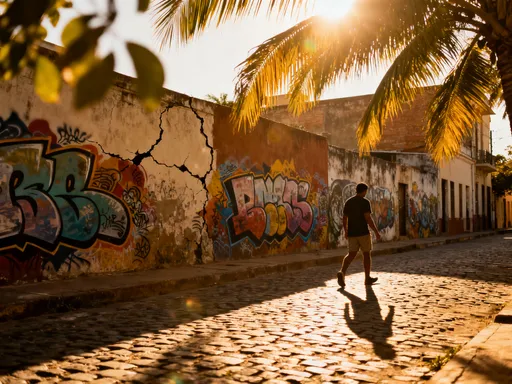
The Arts District, centered around East Fremont Street, exemplifies this revival. Once home to warehouses and light industry, it now hosts galleries, independent boutiques, and chef-driven restaurants. Monthly events like First Friday draw thousands who come to explore local art, sample craft beer, and support small businesses. The area’s industrial architecture has been preserved and repurposed, giving it a distinctive character that contrasts with the polished aesthetics of the Strip. Murals by local and international artists cover building facades, turning streets into open-air galleries. This emphasis on creativity and place-making has attracted entrepreneurs, artists, and young professionals, fostering a sense of ownership and pride among residents.
Container Park, another cornerstone of Downtown’s resurgence, illustrates how imaginative design can spark economic activity. Built from repurposed shipping containers, the complex houses shops, eateries, and a children’s play area. At night, a towering metal praying mantis sculpture breathes fire on schedule, delighting families and photographers alike. The space is pedestrian-first, with shaded walkways, ample seating, and frequent live performances. Unlike the high-pressure environment of some Strip venues, Container Park feels relaxed and welcoming — a place where people linger without feeling rushed to spend. It’s become a model for how mixed-use developments can serve both economic and social functions, strengthening community ties while driving tourism.
Local Favorites: Hidden Commercial Gems Off the Beaten Path
While the Strip and Downtown attract the spotlight, the true soul of Las Vegas’ commercial life can be found in its residential neighborhoods. Areas like Summerlin Center, Green Valley Ranch in Henderson, and the Spring Mountain Road corridor offer a glimpse into how locals live, shop, and eat. These districts are not designed for tourists — they are built for daily life, shaped by the needs and tastes of long-term residents. Exploring them requires a shift in mindset: instead of rushing from attraction to attraction, visitors are invited to slow down, observe, and engage with the rhythms of neighborhood commerce.
Summerlin Center, nestled in the western foothills, stands out for its master-planned design and emphasis on quality of life. Tree-lined boulevards, public parks, and outdoor sculptures create an inviting atmosphere for walking and browsing. The area’s shopping plazas feature national retailers alongside local favorites — a bookstore with author events, a yoga studio with community classes, a bakery known for its seasonal pies. Unlike the high-density Strip, Summerlin offers breathing room and natural beauty, with views of red rock formations in the distance. It’s a place where parents meet for coffee after school drop-off, retirees take morning strolls, and young professionals unwind after work. For visitors, it offers a peaceful contrast to the sensory overload of central Vegas.
Along Spring Mountain Road, particularly in the western stretch near Rainbow Boulevard, lies one of the most vibrant ethnic commercial corridors in the city. This area is a destination for Asian cuisine, groceries, and services, serving a growing and diverse population. Markets like the 99 Ranch and Lotus of Siam offer authentic ingredients, prepared foods, and cultural products that reflect Chinese, Thai, Vietnamese, and Filipino influences. Restaurants range from casual noodle shops to elegant banquet halls, many family-owned and operated for decades. For locals, this is a place of comfort and connection; for curious visitors, it’s an opportunity to experience global flavors in an unpretentious setting. The key to enjoying these spaces is respect — observing customs, supporting businesses, and recognizing that these are living communities, not tourist exhibits.
Shopping with a View: Open-Air Malls and Lifestyle Centers
In recent years, Las Vegas has embraced the lifestyle center model, moving away from enclosed malls toward open-air, mixed-use developments that blend shopping, dining, and recreation. Downtown Summerlin and Hughes Center are prime examples of this trend. Designed with aesthetics and comfort in mind, these centers feature landscaped walkways, water features, outdoor seating, and event lawns. They are not just places to shop — they are destinations for spending a day, whether attending a farmers market, watching a movie under the stars, or letting children play in a shaded park. This shift reflects changing consumer preferences: people no longer want to be rushed through sterile corridors; they seek experiences that feel natural, social, and enriching.
Downtown Summerlin, anchored by a large outdoor mall, has become a go-to spot for families and fitness enthusiasts alike. Weekly events like outdoor concerts, fitness classes, and holiday light displays draw consistent crowds. The center’s proximity to trails and Red Rock Canyon makes it a natural extension of the city’s outdoor culture. Shoppers can browse for home goods, apparel, or electronics, then transition seamlessly to a meal at a patio restaurant or a walk through the adjacent park. The architecture emphasizes openness and light, with wide sidewalks, shaded canopies, and desert-friendly landscaping. Even in summer, misting stations and shaded plazas make the experience bearable. These thoughtful touches signal a commitment to long-term usability and community well-being.
Hughes Center, located near the airport and major freeways, serves as a convenient hub for both locals and business travelers. Its mix of retail, dining, and office space makes it a true urban node. The center hosts seasonal events, including holiday markets and live music series, that bring people together beyond transactional purposes. Its layout encourages exploration, with hidden courtyards, art installations, and quiet seating areas. Unlike older malls that feel isolated, Hughes Center is integrated into the surrounding cityscape, with bike lanes, public transit access, and connections to nearby hotels. This connectivity enhances its role as a functional, inclusive space — one that serves the city’s evolving needs while maintaining a human scale.
Food Halls and Marketplaces: The New Commercial Heartbeat
One of the most exciting developments in Las Vegas’ commercial landscape is the rise of food-centric spaces. These venues go beyond traditional dining by combining culinary variety with social energy, creating environments where people gather not just to eat, but to connect. The Yard at the Linq, for example, is more than a collection of food stalls — it’s a vibrant social plaza with games, music, and communal seating. Similarly, the upcoming Sphere District promises to integrate dining, technology, and public art into a seamless urban experience. These spaces reflect a broader cultural shift: food is no longer just sustenance; it’s a form of entertainment, identity, and community building.
What makes food halls so effective is their ability to foster spontaneity and discovery. Instead of choosing a single restaurant, visitors can sample multiple cuisines in one visit — a taco from a local favorite, a scoop of artisanal ice cream, a craft cocktail from a rotating pop-up bar. Vendors often include small, independent operators who bring unique flavors and stories to the table. This diversity supports local entrepreneurship while offering consumers fresh, authentic options. At the same time, shared seating encourages interaction between strangers, reviving the lost art of public gathering. In a world where digital connection often replaces face-to-face interaction, these spaces offer something rare and valuable: real human connection over shared meals.
These marketplaces also serve as incubators for culinary talent. Many chefs begin in food hall stalls before opening standalone restaurants. The lower overhead and high visibility make them ideal testing grounds for new concepts. For visitors, this means access to innovative dishes that might not yet be available elsewhere. It also means supporting small businesses directly, contributing to the local economy in meaningful ways. As Las Vegas continues to grow as a food destination — earning accolades for its diverse and creative dining scene — these spaces will play an increasingly important role in shaping its reputation. They are not just places to eat; they are cultural laboratories where taste, tradition, and innovation converge.
Navigating Vegas Smartly: Practical Tips for Exploring Commercial Zones
Exploring Las Vegas beyond the Strip requires some planning, especially for those unfamiliar with the city’s layout. The good news is that many commercial areas are accessible, safe, and welcoming to visitors. To make the most of your experience, start by considering transportation. While rental cars offer flexibility, rideshare services like Uber and Lyft are convenient for shorter trips and eliminate parking concerns. The Deuce bus runs along the Strip and connects to Downtown, making it a budget-friendly option. For the adventurous, bike rentals and dedicated lanes in areas like Downtown and Summerlin provide a healthy, scenic way to travel.
Parking strategies vary by location. At popular lifestyle centers like Downtown Summerlin, garages and surface lots are generally well-maintained and free, though they can fill up on weekends during events. Arriving early — before 10 a.m. — ensures easier access and cooler temperatures. In Downtown and the Arts District, street parking and paid lots are available, but it’s wise to check signage for time limits and restrictions. Some areas offer free parking after certain hours or on specific days, so a quick online search can save time and money. Mobile apps like ParkMobile simplify payment and help locate available spots in real time.
Timing your visits can greatly enhance comfort and enjoyment. Summer temperatures regularly exceed 100°F (38°C), so mornings and evenings are ideal for outdoor exploration. Hydration is essential — carry a reusable water bottle and refill at public stations when possible. Sun protection, including hats, sunglasses, and sunscreen, should be part of every outing. Many commercial areas now include shaded walkways, misting fans, and indoor-outdoor transitions to help visitors stay cool. Checking event calendars in advance can also help you plan around festivals, concerts, or farmers markets, ensuring you don’t miss out on seasonal highlights.
Finally, approach these spaces with respect and curiosity. Remember that many are part of residential neighborhoods where people live and work. Keep noise levels considerate, follow posted rules, and support local businesses by making purchases or leaving positive reviews. A simple smile or thank-you goes a long way in building goodwill. By engaging thoughtfully, visitors contribute to the sustainability of these communities and help preserve their authenticity for future generations.
Conclusion: Seeing Las Vegas Through a Fresh Lens
Las Vegas is often reduced to a single narrative — a city of lights, luck, and late-night indulgence. But to see it only that way is to miss its full story. Beyond the spectacle lies a network of commercial spaces that reflect resilience, creativity, and community. From the polished plazas of the Strip to the grassroots energy of Downtown, from the quiet charm of neighborhood centers to the lively buzz of food halls, Las Vegas offers a rich tapestry of urban life. These spaces are where culture is lived, not performed — where people shop, eat, meet, and belong.
For travelers, stepping into these areas is an act of discovery. It means trading the predictable for the authentic, the staged for the spontaneous. It means understanding that a city’s soul isn’t found only in its landmarks, but in its sidewalks, storefronts, and street corners. Las Vegas, in all its complexity, invites us to look deeper — to see not just what it sells, but who it serves. By exploring its commercial heart with openness and respect, we gain a fuller, more human picture of what this city truly is. So next time you visit, go beyond the marquee. Walk a little farther. Talk to a local. Try a dish you can’t pronounce. Because the real magic of Las Vegas isn’t just in the show — it’s in the street life that keeps the city alive long after the lights dim.