This Is What No One Tells You About the Great Barrier Reef’s Hidden Leisure Spots
You know that feeling when you picture the Great Barrier Reef? Turquoise water, endless coral, maybe a snorkeler gliding above. But beyond the postcard views, there’s a whole world of relaxed, lesser-known spots where locals and savvy travelers unwind. I’m talking floating lounges, secluded reef platforms, and island bars where time slows down. This isn’t just sightseeing—it’s *living* the reef. Let me take you beyond the brochure and into the real leisure side of Australia’s underwater paradise.
Reimagining the Reef: It’s More Than a Dive Site
The Great Barrier Reef is often celebrated as one of the world’s most extraordinary natural wonders, visible even from space. Stretching over 2,300 kilometers along the Queensland coast, it is home to more than 1,500 species of fish, 400 types of coral, and countless marine creatures. Yet, for many visitors, the experience begins and ends with a dive mask and a snorkel. While underwater exploration remains a highlight, a quiet transformation has been taking place—one that redefines the reef not only as a site of ecological significance but as a destination of refined leisure.
In recent years, travelers have begun to see the reef through a different lens: as a place not just to observe, but to inhabit in comfort. This shift reflects a broader evolution in sustainable tourism, where enjoyment and environmental stewardship are no longer seen as opposites. Instead of rushing from one coral outcrop to another, more visitors are choosing to slow down, linger, and savor the atmosphere. They’re discovering that the reef offers not only biodiversity but also tranquility—spaces designed for relaxation, reflection, and reconnection with nature in a way that feels both indulgent and responsible.
These leisure experiences are made possible through thoughtfully designed venues—some floating, some island-based—that allow guests to enjoy the beauty of the reef without disturbing its delicate balance. From elevated viewing decks to open-air lounges suspended above the water, these spaces are built with minimal environmental impact in mind. They are not resorts in the traditional sense, but rather intimate, low-capacity retreats that prioritize serenity and sustainability. This new model of reef tourism invites guests to appreciate the ecosystem not from a distance, but as part of a carefully curated experience that respects the environment while enhancing personal well-being.
The transformation is also driven by changing traveler expectations. Modern visitors, particularly those between the ages of 30 and 55, are seeking more meaningful and immersive experiences. They want comfort, but not at the expense of conscience. They desire beauty, but also authenticity. This generation values time over novelty, depth over speed. As a result, the reef’s leisure offerings have evolved to meet these needs—providing spaces where one can sip a morning coffee while watching reef fish dart beneath a glass floor, or read a book in a shaded cabana with the sound of gentle waves as a constant companion. These are not fleeting moments, but deliberate invitations to pause and be present.
Luxury on the Water: Reef-Accessible Floating Resorts and Pontoon Lounges
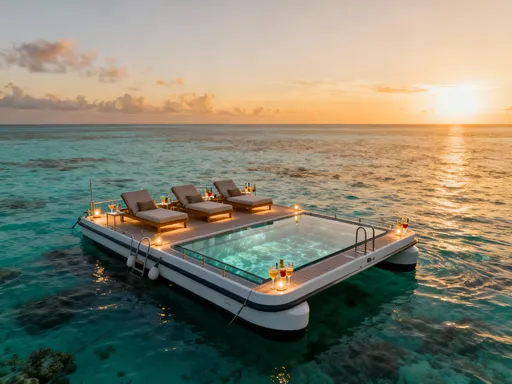
One of the most innovative developments in reef-based leisure is the rise of floating pontoon resorts—semi-permanent platforms moored above deep waters near key reef zones such as Hardy Reef and Michaelmas Cay. These structures are engineered to provide comfort without compromising the marine environment. Unlike traditional boats or anchored vessels that can damage coral through dragging anchors or pollution, these pontoons are carefully positioned in sandy lagoons or deep channels, minimizing physical contact with the reef itself.
From the moment guests arrive by catamaran or seaplane, the experience is designed to feel both exclusive and eco-conscious. The pontoons feature multiple levels: an upper deck with sun loungers, shaded cabanas, and outdoor dining areas; a mid-level zone with glass-bottom viewing panels and snorkeling entry points; and, in some cases, an underwater observatory that allows visitors to witness coral activity without ever getting wet. These features cater to a wide range of guests, including those who may not swim or dive but still wish to engage with the reef’s beauty.
Amenities on these floating retreats are thoughtfully curated. Some include freshwater showers, shaded relaxation zones, and even small bars serving chilled beverages and light meals made with locally sourced ingredients. Others offer glass-bottom pools or infinity-edge spas that blend seamlessly with the horizon. The design philosophy is clear: luxury should not mean excess, but rather refinement—elevating the senses without burdening the ecosystem. For example, many pontoons use solar power for lighting and desalination systems to reduce freshwater transport, minimizing their carbon footprint.
Operators of these floating platforms are required to adhere to strict environmental guidelines set by the Great Barrier Reef Marine Park Authority. This includes limits on daily visitor numbers, mandatory use of reef-safe sunscreen, and prohibitions on feeding marine life or removing any natural materials. Staff are trained in marine education and often lead short talks on coral resilience, climate impacts, and conservation efforts. In this way, leisure becomes a form of learning—guests leave not only relaxed but also informed.
Perhaps most importantly, these floating lounges are designed for accessibility. Families with children, older travelers, and those with limited mobility can all enjoy the reef in a safe and comfortable setting. The pontoons are stable, equipped with handrails, and staffed with safety personnel. This inclusivity ensures that the reef’s wonders are not reserved for the physically adventurous but are available to anyone seeking peace, beauty, and a deeper connection to the ocean.
Secluded Island Escapes: Where Nature Meets Comfort
While floating platforms offer a unique way to experience the reef, island resorts provide another dimension of leisure—one that blends natural seclusion with thoughtful luxury. Islands such as Hamilton Island, Lizard Island, and Heron Island serve as gateways to the reef, offering guests the chance to stay overnight in serene, low-impact environments. These destinations are carefully managed to balance comfort with conservation, ensuring that development does not come at the cost of ecological integrity.
Hamilton Island, located in the Whitsundays, is a prime example of how leisure and sustainability can coexist. The island features private villas, oceanfront restaurants, and a championship golf course, yet it maintains strict environmental policies. Light pollution is minimized to protect nesting sea turtles, native vegetation is preserved, and all waste is carefully managed. Guests can enjoy a spa treatment overlooking the water, dine on reef-to-table seafood, or take a guided walk through eucalyptus forests—all without leaving the island. The focus is on creating a seamless transition between indoor comfort and outdoor immersion.
Lizard Island, situated further north near the edge of the continental shelf, offers a more remote and intimate experience. Accessible only by private plane, the island hosts a single resort with fewer than 50 rooms, ensuring privacy and minimal disruption to the surrounding ecosystem. Its location makes it ideal for reef access, with the famous Cod Hole just a short boat ride away. Here, guests can snorkel among giant potato cod, walk along pristine beaches, or enjoy a sunset cocktail at a cliffside bar. The island’s layout encourages quiet exploration—paths are unpaved, lighting is soft, and buildings are designed to blend into the landscape.
What sets these island escapes apart is their integration with the natural world. Many offer guided experiences that deepen the guest’s connection to the environment—morning birdwatching tours, reef health monitoring with marine biologists, or storytelling sessions with local Indigenous guides. These activities are not add-ons, but central to the leisure philosophy: relaxation is enhanced when it is rooted in understanding and respect.
Moreover, island resorts play a vital role in reef conservation. A portion of guest fees often supports scientific research, coral restoration projects, and marine park management. Some resorts have adopted solar energy systems, rainwater harvesting, and organic gardens to reduce their environmental footprint. By choosing to stay on these islands, travelers contribute directly to the protection of the reef, turning their vacation into a form of stewardship.
The Rise of Reefside Dining and Sunset Experiences
Dining has become one of the most poetic expressions of leisure on the Great Barrier Reef. No longer limited to standard resort buffets, guests can now enjoy meals that are as much about atmosphere as they are about flavor. Reefside dining experiences—temporary, eco-sensitive setups on sandbanks, platforms, or beaches—offer a sensory journey that connects food with place in a profound way.
Imagine sitting at a long table set on a white sand cay at dusk, the sky painted in hues of pink and gold, the only sounds the lapping of waves and soft music carried on the breeze. This is the reality of a reef platform dinner, an increasingly popular offering among high-end tour operators. Tables are set with natural decor—driftwood centerpieces, seashell place markers, linen in ocean tones. The menu features fresh seafood, tropical fruits, and native herbs, often prepared in open-air kitchens with flames dancing under the stars. These meals are not just about nourishment; they are celebrations of place, crafted to evoke emotion and memory.
Another rising trend is the floating breakfast—a personalized tray of pastries, tropical fruit, yogurt, and coffee delivered directly to a guest lounging on a pontoon or private deck. Served at sunrise, it transforms a simple meal into a moment of indulgence, framed by endless water and the first light of day. Similarly, beach-to-table seafood feasts allow guests to witness the journey of their food, from ocean to plate, often with a chef explaining the sourcing and preparation methods.
Crucially, these dining experiences are designed to leave no trace. All structures are temporary, assembled and dismantled within hours, with every piece of waste removed. Tables are placed on sand or non-vegetated areas to avoid damaging seagrass or coral. Even lighting is carefully managed—using battery-powered lanterns instead of permanent fixtures. This commitment to impermanence ensures that beauty is enjoyed without exploitation.
Sunset experiences further enhance the emotional resonance of these moments. Whether it’s a guided kayak paddle across a calm lagoon, a champagne toast on a catamaran, or a quiet walk along a secluded beach, these rituals invite guests to slow down and witness the daily transformation of light over water. For many, these are the most memorable parts of their trip—not because they are extravagant, but because they feel authentic, peaceful, and deeply human.
Choosing Your Ideal Leisure Venue: Matching Experience to Travel Style
With so many options available, selecting the right reef leisure experience depends on individual preferences, travel companions, and values. Families with children may prioritize accessibility, safety, and variety of activities. For them, a floating pontoon with shallow snorkeling zones, shaded play areas, and easy boat transfers from the mainland or larger islands may be ideal. Operators often provide child-sized snorkel gear, guided reef talks, and family-friendly meal options, making the experience both educational and enjoyable.
Couples seeking romance and privacy might prefer a secluded island stay or a sunset-only excursion. Lizard Island, with its intimate villas and remote location, offers an atmosphere of exclusivity. Similarly, private charter boats can take couples to hidden cays for a personalized picnic or dinner, creating a sense of seclusion and indulgence. These experiences are often booked months in advance, especially during the dry season from June to October, when weather conditions are most favorable.
Solo travelers and eco-tourists, on the other hand, may be drawn to conservation-focused retreats such as Heron Island, which hosts a research station and offers volunteer opportunities in reef monitoring. These guests often value learning and contribution over luxury, seeking experiences that allow them to give back while enjoying the beauty of the reef. Guided night snorkels, coral planting workshops, and citizen science programs provide meaningful engagement without sacrificing comfort.
Accessibility and cost are also important considerations. Floating pontoons accessible by day cruise from Cairns or Port Douglas tend to be more affordable and convenient for shorter trips. Island resorts, while more expensive, offer immersive multi-day stays with a wider range of amenities. Seaplane transfers, while scenic, add to the cost, while catamarans provide a more budget-friendly alternative. Travelers are advised to book well in advance, particularly for peak seasons, as capacity limits ensure exclusivity and environmental protection.
Ultimately, the best choice is one that aligns with personal values and travel goals. Whether it’s a family’s first encounter with coral reefs, a couple’s anniversary celebration, or a solo journey of reflection, the Great Barrier Reef offers a leisure experience that is both enriching and respectful of its fragile ecosystem.
How to Enjoy the Reef Responsibly—Without the Guilt
As awareness of climate change and marine degradation grows, many travelers feel a sense of guilt when visiting sensitive environments like the Great Barrier Reef. The good news is that enjoying the reef does not have to come at its expense. In fact, when done thoughtfully, tourism can be a force for good—funding conservation, raising awareness, and supporting local communities.
The first step in responsible reef leisure is choosing certified eco-friendly operators. Look for accreditation from organizations such as Ecotourism Australia or Advanced Ecotourism, which verify that a company follows sustainable practices. These include using low-emission vessels, providing environmental education, and contributing financially to reef protection programs. Guests can also check whether operators limit group sizes, avoid anchoring on coral, and provide reef-safe sunscreen.
Personal behavior matters just as much. Simple actions—like not touching coral, avoiding flash photography near marine life, and properly disposing of waste—can significantly reduce impact. Coral is incredibly fragile; even a light brush from a hand or fin can damage polyps and invite disease. Similarly, wearing reef-safe sunscreen prevents harmful chemicals like oxybenzone from entering the water and disrupting marine ecosystems.
Supporting Indigenous tourism initiatives is another powerful way to travel responsibly. Many reef experiences now include cultural components led by Traditional Owners, who share stories, customs, and ecological knowledge passed down for thousands of years. These programs not only enrich the guest experience but also provide economic opportunities for local communities and help preserve cultural heritage.
Finally, visitors should view their presence as part of a larger stewardship effort. Entrance fees to the Great Barrier Reef Marine Park fund scientific research, water quality monitoring, and restoration projects. By paying these fees and choosing responsible operators, travelers become contributors to the reef’s survival. Leisure, in this context, becomes an act of care—a way to honor and protect one of the planet’s most precious ecosystems.
Beyond the Surface: The Future of Leisure on the Great Barrier Reef
The future of reef-based leisure is being shaped by innovation, resilience, and a deepening commitment to sustainability. As climate change continues to affect water temperatures and coral health, the tourism industry is adapting with new technologies and practices designed to protect and even restore the reef. Solar-powered pontoons, for example, are becoming more common, reducing reliance on diesel generators and lowering emissions. Some operators are experimenting with hybrid catamarans that combine wind, solar, and electric propulsion for cleaner transport.
Virtual reality is also playing a role. Before entering the water, guests can use VR headsets to preview reef sites, learn about marine species, and understand conservation challenges. This not only enhances education but also helps manage expectations, reducing the likelihood of disruptive behavior. AI-guided reef tours, equipped with real-time data on coral health and fish populations, allow guides to tailor experiences while minimizing environmental impact.
Perhaps most promising are coral restoration initiatives that invite tourists to participate. Some resorts now offer “coral gardening” programs, where guests can help attach small coral fragments to underwater frames, contributing directly to reef recovery. These hands-on experiences create emotional investment, turning visitors into long-term advocates for marine protection.
Looking ahead, the vision for reef leisure is not one of extraction, but of reciprocity. It is no longer enough to simply enjoy the reef’s beauty; the expectation is to engage with it mindfully, to learn from it, and to give back. This shift reflects a broader cultural change—one in which leisure is redefined not as escape, but as connection. The Great Barrier Reef, in all its splendor, invites us not just to look, but to listen, to care, and to act.
For the women between 30 and 55 who seek meaningful travel—experiences that nourish the soul without harming the planet—the reef offers a perfect balance. It is a place where comfort meets conscience, where beauty inspires responsibility, and where every moment of leisure becomes a quiet act of love for the natural world. So as you plan your next journey, remember: the true luxury of the Great Barrier Reef is not in what you take, but in what you leave behind—respect, gratitude, and hope for its future.